“Perhaps in the next world women will be more valued than they are in this.” SARAH SIDDONS (1755 - 1831)
PART THREE: An obvious conclusion

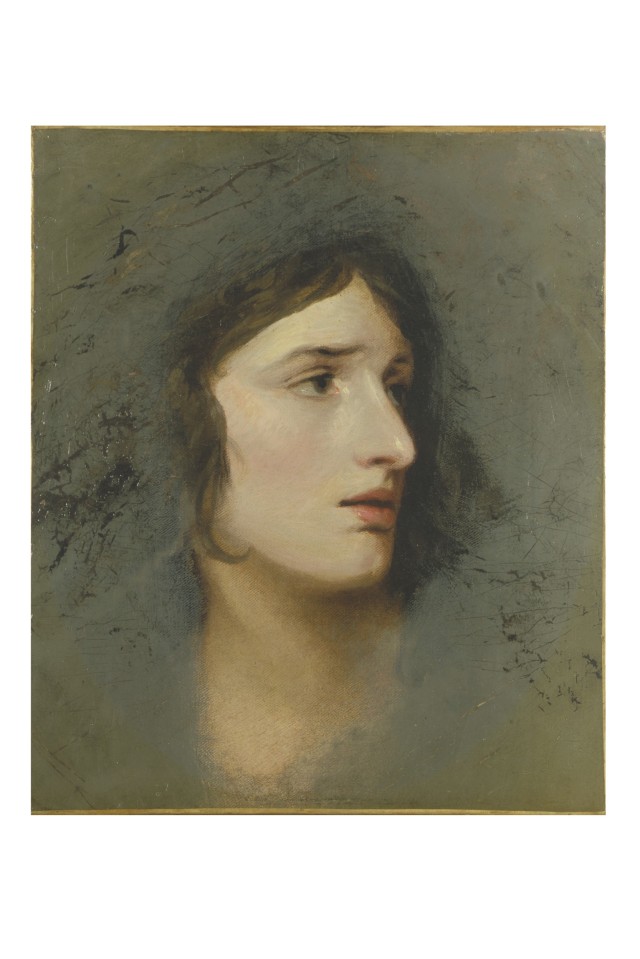
Sarah Siddons as Zara in
Congreve's tragedy 'The Mourning Bride', engraving by after painting by
Thomas Lawrence, 1783. Image © Victoria and Albert Museum. This is the
face of a determined, passionate, brave, intelligent individual,
transcending gender. "Independence I will ever secure..." Mary Wollstonecraft.
"...she did look so beautiful! It is a part I like to see her act extremely." Sally Siddons, writing in a letter on February 8th, 1799, about her mother as Zara.
"...she did look so beautiful! It is a part I like to see her act extremely." Sally Siddons, writing in a letter on February 8th, 1799, about her mother as Zara.
She craved social acceptance, for herself and her children. She was more interested in improving her life through her art than suffering for it. In private, this passionate artist was conventional, religious and moral. She never compromised her right to have a career, children and a husband, and she earned it all herself.
Frequently when Wollstonecraft wrote about an emancipated woman, independent of men and men's money, she unintentionally described Siddons: “It is time to effect a revolution in female manners - time to restore to them their lost dignity - and make them, as a part of the human species, labour by reforming themselves to reform the world. It is time to separate unchangeable morals from local manners.”
“Independence I have long considered as the grand blessing of life, the basis of every virtue; and independence I will ever secure by contracting my wants, though I were to live on a barren heath.” Mary Wollstonecraft wrote the words; you can hear Sarah Siddons saying them.